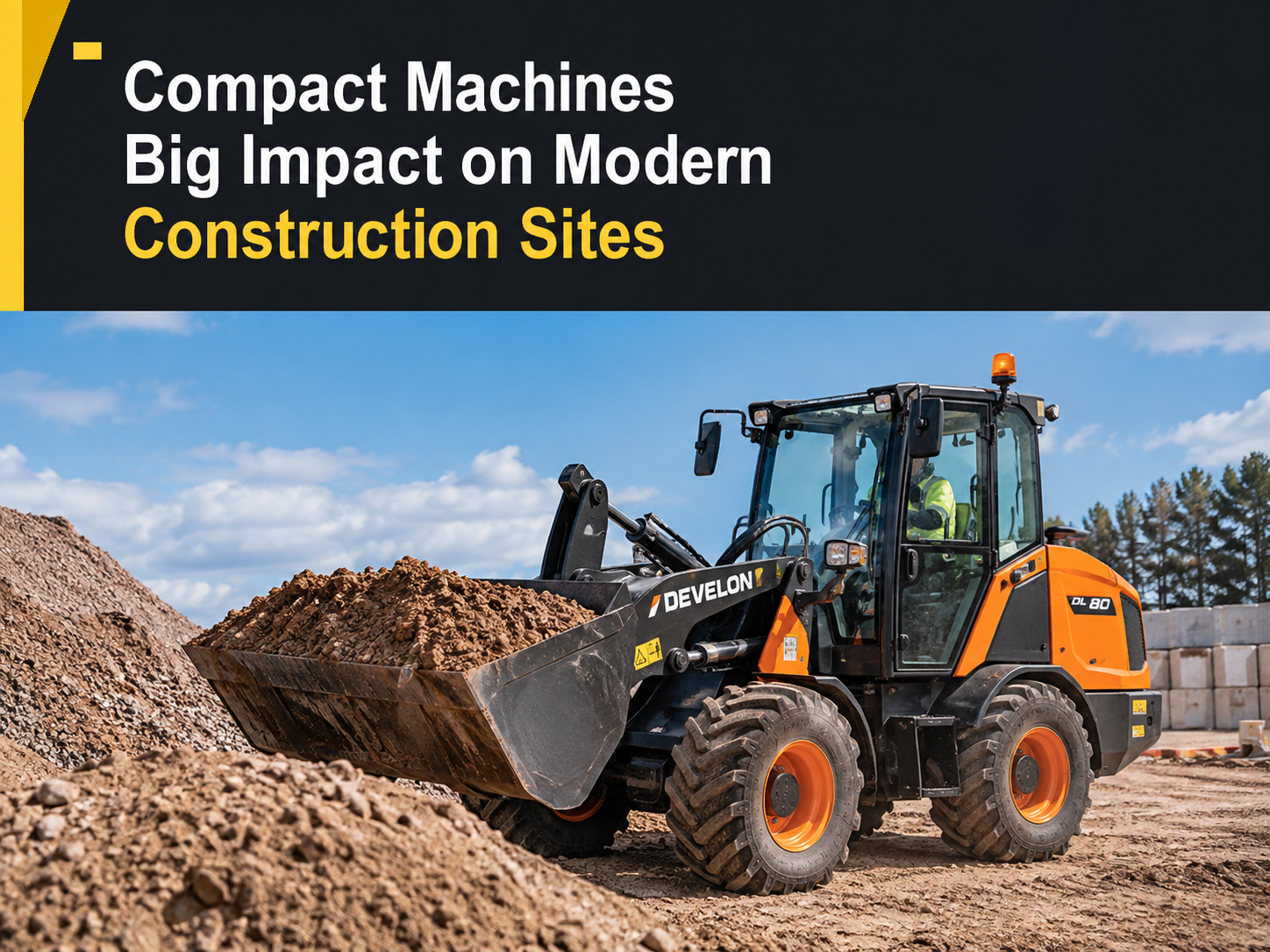

Choosing the right construction equipment is one of the most significant decisions a business can make. Whether you’re a contractor, site manager, or owner-operator, the choice between new and used machinery can impact your bottom line, operational efficiency, and long-term success.
This guide will help you weigh the pros and cons to determine which option is best suited for your business.
Advantages of Buying New Construction Equipment
Investing in brand-new machinery offers numerous benefits, particularly for growing businesses looking for reliability and long-term value.
Reliability and Advanced Technology
- Comes with the latest features and innovations
- Improved fuel efficiency and lower emissions
- Advanced safety systems and telematics
Warranty Protection
- Comprehensive manufacturer warranties offer peace of mind
- Reduced risk of unexpected repair costs
Customisation Options
- Ability to select specific attachments and configurations
- Custom models tailored to your needs
Tax and Financing Benefits
- Some regions offer tax incentives for purchasing new machinery
- Access to competitive finance packages and extended payment terms
Disadvantages of Buying New
While new equipment has its advantages, it’s not without drawbacks.
Higher Upfront Cost
- Significant initial investment
- May require financing, adding to long-term expenses
Depreciation
- Rapid value loss within the first few years
- Not ideal if you plan to resell soon
Longer Lead Times
- Some models may have longer delivery times
- Delays can impact project timelines
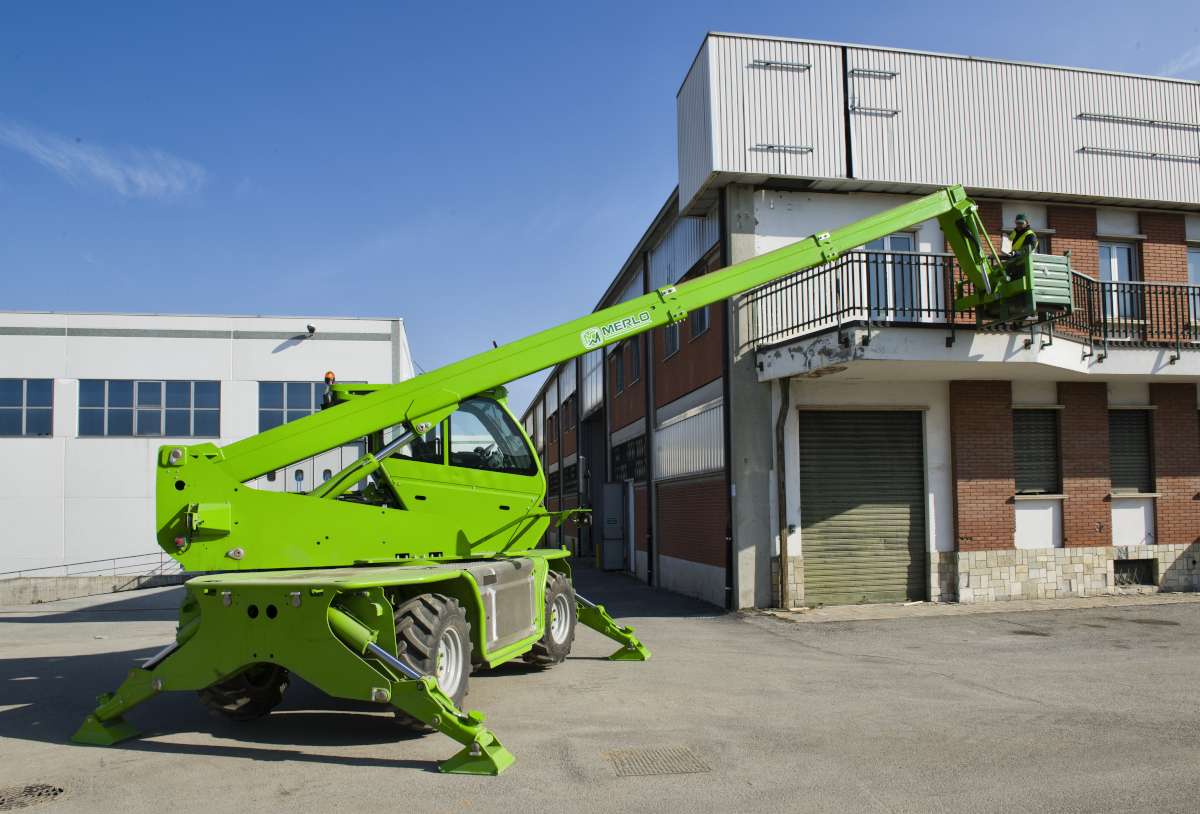
Advantages of Buying Used Construction Equipment
For budget-conscious businesses or those needing machinery quickly, used equipment offers plenty of advantages.
Lower Purchase Price
- Significant savings compared to new models
- Allows businesses to allocate funds to other areas
Immediate Availability
- Machinery is often ready for immediate delivery
- No waiting on manufacturer lead times
Proven Performance
- Models with a track record of reliability and durability
- Maintenance history available for assessment
Reduced Depreciation Impact
- Slower depreciation compared to new equipment
- Better resale value when it’s time to upgrade
Disadvantages of Buying Used
While used equipment is often a smart financial decision, there are some risks to consider.
Potential Maintenance Costs
- Older machinery may require more frequent repairs
- Parts availability may be limited for discontinued models
Limited Warranty or No Warranty
- Some sellers offer no guarantees
- Additional costs for repairs fall on you
Unknown History
- Incomplete maintenance records can be a red flag
- Hidden damage may lead to unexpected breakdowns
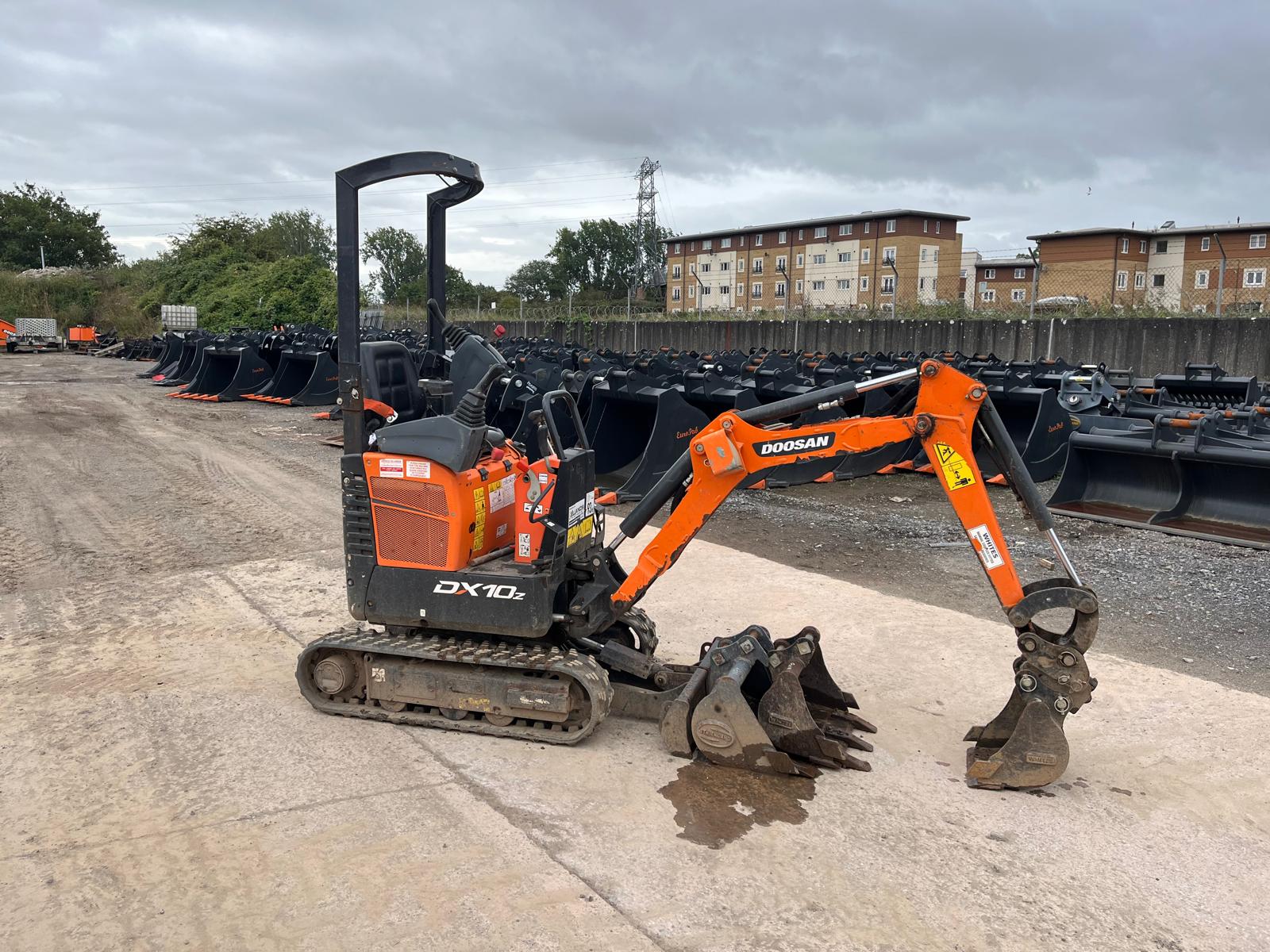
Key Considerations When Choosing Between New and Used
To make an informed decision, consider these factors:
- Budget: How much can you realistically invest upfront?
- Equipment Usage: Will the machine be heavily used or for occasional projects?
- Long-Term Goals: Are you looking for short-term affordability or long-term reliability?
- Maintenance Capabilities: Do you have access to reliable service technicians?
- Resale Plans: How soon do you expect to upgrade or sell the equipment?
Hybrid Approach: Combining New and Used Equipment
Many businesses benefit from a hybrid approach, using a mix of new and used machinery to optimise costs and operations. For example:
- New for High-Use Machinery: Heavy-duty equipment like excavators or loaders that operate daily.
- Used for Low-Use Machinery: Specialized or seasonal equipment that is only needed occasionally.
Both new and used construction equipment offer unique advantages. Evaluating your budget, project demands, and long-term goals will help you make the right choice.
Related Post: